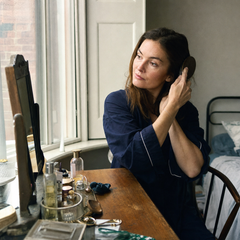
Unlocking the Mystery of Hair Thinning: A Proactive Approach to Female Hair Loss

For many women, hair is deeply intertwined with identity, confidence, and self-expression. When you begin to notice more hair in your brush or a widening parting, it can be a distressing and isolating experience. However, you are not alone. Hair loss in women is a common concern, and understanding its root causes is the first step towards taking proactive control of your health and wellbeing.
Understanding the Complexities of Female Hair Loss
Hair loss, medically known as alopecia, can manifest in various ways and stem from a multitude of factors. The NHS notes that it is normal to lose between 50 and 100 hairs a day, often without noticing [1]. However, when hair loss becomes noticeable or excessive, it is important to investigate the underlying causes. Female pattern hair loss (FPHL), also known as androgenetic alopecia, is the most common type of hair loss in women, but it is far from the only cause [2].
The British Association of Dermatologists highlights that hair loss can be influenced by a complex interplay of genetics, hormones, and environmental factors [2]. Unlike male pattern baldness, which often presents as a receding hairline, female hair loss typically involves diffuse thinning across the crown and a widening of the parting. Understanding these nuances is crucial for identifying the specific drivers of your hair loss.
The Role of Hormones and Nutritional Deficiencies
Hormones play a significant role in the hair growth cycle. Fluctuations in hormones, such as those experienced during pregnancy, menopause, or due to conditions like polycystic ovary syndrome (PCOS), can disrupt this cycle and lead to hair shedding. The National Institute for Health and Care Excellence (NICE) notes that hormonal imbalances can be a key factor in female pattern hair loss [3].
In addition to hormones, nutritional deficiencies can also impact hair health. Essential vitamins and minerals, such as iron, vitamin D, and B vitamins, are vital for maintaining healthy hair follicles. A deficiency in these nutrients can weaken the hair shaft and contribute to increased shedding. Identifying and addressing these deficiencies is a critical component of managing hair loss.
Taking Control with Comprehensive Insights
While the prospect of hair loss can be daunting, it is important to remember that knowledge is power. By understanding the specific factors contributing to your hair loss, you can make informed decisions about your health and explore targeted interventions. This is where a proactive approach to healthcare becomes invaluable.
A comprehensive blood test, such as the Female Hair Loss Blood Test, can provide a detailed analysis of the key biomarkers associated with hair health. By examining your hormone levels, thyroid function, and nutritional status, this test can help provide insight into the potential causes of your hair thinning. This information may support informed conversations with a healthcare professional, enabling you to develop a personalised plan to address your unique needs.
Empowering Your Health Journey
Experiencing hair loss can be challenging, but it does not have to define you. By taking a proactive approach and seeking to understand the underlying causes, you can empower yourself to make positive changes. Whether it involves dietary adjustments, lifestyle modifications, or targeted treatments, the insights gained from a comprehensive blood test can form part of a proactive approach to managing your health and wellbeing.
Explore this topic
Continue reading the related articles in this series:
- Early detection: The Power of Early Detection: Catching Hair Loss Before It Progresses
- Personalised insights: Personalised Insights: Decoding Your Body's Unique Language
- Empowerment: Taking Control: Empowerment and Peace of Mind
Related test: Female Hair Loss Blood Test at Clinilabs.
References
[1] NHS. (n.d.). Hair loss. https://www.nhs.uk/symptoms/hair-loss/
[2] British Association of Dermatologists. (n.d.). Hair loss - female pattern (androgenetic alopecia). https://www.bad.org.uk/pils/hair-loss-female-pattern-androgenetic-alopecia
[3] National Institute for Health and Care Excellence (NICE). (n.d.). Female pattern hair loss (female androgenetic alopecia). https://cks.nice.org.uk/topics/female-pattern-hair-loss-female-androgenetic-alopecia/